Fuel is one of those costs that can easily become background noise.
A fill-up here. A few extra miles there. Five minutes sitting with the engine running while waiting for a customer. None of it feels particularly expensive on its own.
But when the same habits are repeated across weeks, months and more vehicles, the numbers start to look very different.
Britain’s vans travelled 58.8 billion miles in 2025, according to the Department for Transport. That’s 10% more van mileage than in 2019.
For businesses that rely on vehicles every day, it’s a useful reminder that small improvements add up fast. So where could your business be using more fuel than it needs to?
Here are five places to look.
1. Smooth out everyday driving
Getting from A to B faster doesn’t always mean getting there more efficiently.
Harsh acceleration, unnecessary braking and constant changes in speed all increase the amount of fuel a vehicle uses. The Vehicle Certification Agency recommends anticipating the road ahead and driving smoothly to reduce unnecessary acceleration and braking.
That makes driver behaviour one of the simplest areas to tackle. You don’t need formal training or complicated technology - just regular reminders about gentle acceleration, leaving enough space to react and maintaining a steadier speed all help build better habits.
Small change: Encourage drivers to think a little further ahead rather than reacting at the last second.
2. Cut the time spent idling
Waiting outside a job. Sitting at a delivery point. Stopping to make a quick phone call. It’s easy to leave the engine running because a couple of minutes doesn’t feel significant.
But an idling engine is still using fuel while getting you nowhere.
The Vehicle Certification Agency advises switching the engine off if you expect to be stationary for more than a minute, where it is safe and appropriate to do so.
Multiply those few wasted minutes by stops, drivers and a working year, and suddenly the habit is worth paying attention to.
Small change: Make switching off during longer waits the habit, not the exception.
3. Give your tyres some attention
When did you last check the tyre pressures on your business vehicles?
If the answer is “not sure”, it might be time.
Under-inflated tyres create more rolling resistance, which means the engine has to work harder and use more fuel. Regular pressure checks also help tyre life and vehicle safety.
For a busy business, it’s the kind of simple maintenance job that can easily be forgotten until something goes wrong.
Make it part of your regular vehicle checks instead.
Small change: Check tyre pressures monthly and before longer journeys, using the recommended pressures for the vehicle.
4. Stop carrying what you don’t need
Tools, materials and equipment are part of the job but the empty roof box or rack that hasn’t been used for months probably isn’t.
Anything that adds unnecessary drag can make a vehicle work harder, particularly at higher speeds.
Even empty roof bars can increase fuel consumption at motorway speeds, according to the Vehicle Certification Agency.
It’s worth taking a quick look at what your vehicles are carrying and asking whether everything still needs to be there. This isn’t about unloading essential kit every evening. It’s about spotting the things that have become permanent passengers without anyone noticing.
Small change: Remove unused roof racks, boxes and non-essential equipment when they’re no longer needed.
5. Look at where the fuel money is actually going
Sometimes the biggest opportunity isn’t how much fuel you’re using. It’s understanding how it’s being bought. For example:
- Are drivers filling up in the most convenient places?
- Are some vehicles using noticeably more fuel than others?
- Has one driver’s spend suddenly increased?
- Are they making detours just to find somewhere to refuel?
Looking at fuel transactions regularly help turn those questions into answers.
Instead of waiting for a large monthly total and wondering what happened, review fuel spending by vehicle or driver and look for unusual patterns while they’re still easy to investigate.
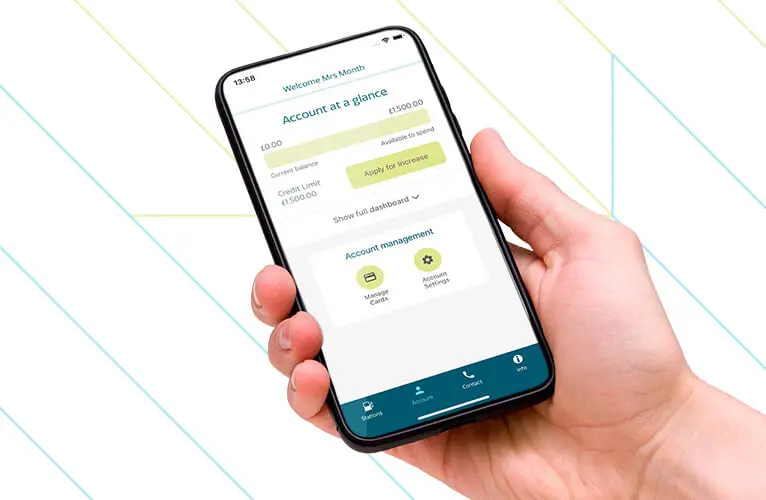
Use fuelGenie’s transaction reporting tool to monitor fuel spend and identify trends across their vehicles or drivers, helping businesses get a clearer picture of where their fuel budget is going.
Small change: Pick one regular time each month to review fuel spend and investigate anything that looks out of the ordinary.
Small savings go a long way
Reducing fuel costs doesn’t always require a new vehicle, major policy change or complete overhaul of the way your business operates. It often starts with the everyday things.
Smoother driving. Less idling. Correct tyre pressures. Removing equipment you don’t need. Keeping a closer eye on where the money is going.
None of those changes sounds dramatic and that’s the point. When your vehicles are on the road day after day, small improvements repeated consistently can become much bigger savings over time.