While fluctuating fuel rates continue to dominate the headlines, many fleet businesses are falling victim to small inefficiencies that go unnoticed every day.
Across a small or medium sized operation, seemingly insignificant bad habits, inconsistent controls and untracked spending might not seem a problem until they come back to bite your bank balance at the year’s end.
These avoidable leaks are the silent drains on fuel budgets so what can fleet managers do to spot them early and fix them.
Price inconsistency is probably the biggest issue when drivers refuel. Wildly differing prices might seem insignificant when drivers fill up, but add multiple vehicles and frequent forecourt stops into the equation and it takes its toll quickly… often without anyone noticing.
Drivers encouraged to use preferred fuel outlets and agreed locations knock thousands off their annual fuel bill while the business benefits from simple guidance and reporting that highlights price variations, grows consistency and keeps costs under control.
Unapproved spend on non-fuel purchases tagged on to fuel cards are a common budget leak, whether accidental or deliberate. Snacks, car washes and other extras might seem minor, but they muddy the water when it comes to reporting and inflate fuel spend over time.
Apply fuel-only restrictions and clear spending rules while also promoting the loyalty point benefits to your drivers. That way they’re incentivised to use best value fuel stations and your finance team can identify any misuse on the transaction reports – everyone wins.
Receipt chasing where your admin or finance teams have to bother drivers for their physical fuel receipts is wasted time, especially if they’ve lost or mislaid them.
Time spent chasing missing receipts, checking for errors and reconciling fuel spend is a hidden cost many businesses underestimate as admin hours add up and your teams are pulled away from doing more proactive work.
Shifting from manual receipts through digital reporting and consolidated invoices cuts the admin while improving accuracy and giving finance teams greater confidence in the numbers.
Mileage claim creep is a common problem for any logistics-led business as small inaccuracies in mileage claims distort fuel costs. As discrepancies build up across drivers and vehicles, it becomes harder to understand actual fuel usage.
Tackle it by setting clear mileage policies and reviewing claims regularly. Comparing mileage data with fuel usage helps pinpoint inconsistencies early and keeps claims fair and accurate.
VAT and missed tax means lost money or, worse, fines for failing to comply with the HMRC. Without clean, HMRC-approved documentation, fleets may be losing out on legitimate reclaim opportunities.
Make sure invoices meet HMRC requirements and are easily accessible to access. Regular reviews with finance teams help maximise reclaim while reducing the risk of costly errors.
Under-used vehicles still generate fuel, tax and maintenance costs but often go unnoticed, especially in growing fleets where vehicles are added faster than they’re reviewed.
Regular reviews of vehicle usage and fuel spend will help identify under-used assets, giving fleet managers the chance to reallocate, downsize or remove vehicles for sale.
No spend visibility in real time invariably means overspending because the horse has already bolted by the time it’s spotted. Don’t wait until the invoice lands because misuse or inefficiencies might have been going on unnoticed for weeks or months.
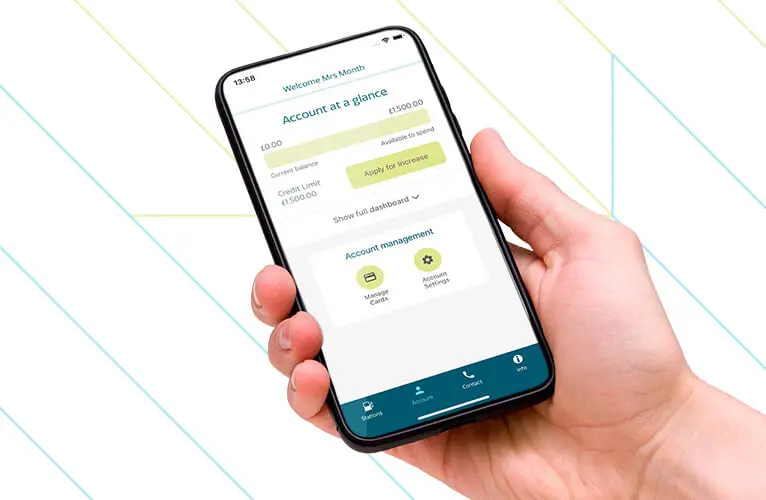
Reporting tools that provide timely insights and even basic visibility into where, when and how fuel is being purchased can prevent small issues becoming bigger and more expensive ones.
Fixing the leaks in your fleet is a quick and easy job for now and it’s one of those you’ll wish you’d done ages ago once you’ve done it.
It doesn’t require complex fleet systems or major overhauls and, in most cases, better visibility, clearer controls and a few focused changes are enough to prevent waste.
Start by choosing two or three areas to tackle in Q1 or 2, build momentum and refine to suit your operation from there.
The fuelGenie solution gives control with spend limits, fuel-only restrictions, wide network coverage, clear reporting and HMRC-approved invoices, giving fleets the tools they need to stop fuel budgets quietly leaking in 2026.