As the warm, optimistic glow of January fades to be replaced by the seemingly relentless cold, dark February days, is it time for a fleet reset?
In the month when Valentine’s Day reminds us that little things mean a lot, it’s time to show your drivers how much you care.
Long hours on the road, high fuel bills and tight schedules leave little breathing space for your front-line stars.
And while stress is often treated as a people issue, it can have a very real impact on fuel efficiency, vehicle wear and overall fleet performance.
That’s why February is the perfect time to show drivers some love with small, consistent improvements that change habits and support them day to day.
Because when drivers feel valued, fleets run leaner, calmer and more efficiently.
Fatigue and fuel efficiency
Tired drivers don’t just feel worse, they drive differently.
Fatigue can show up as inconsistent speeds, unnecessary idling and last-minute route changes, all of which push fuel consumption up.
When your drivers are running on empty, efficiency is usually the first thing to slip so a low-effort fix is better break and schedule planning.
That means regular rest stops and avoiding over-packed routes – things that don’t need a full schedule overhaul, just a commitment to consistency. Over time, those steadier journeys bring measurable fuel savings across the fleet.
Stress and driving behaviour
Stress at the wheel causes harsh acceleration, heavy braking and fluctuating speeds, particularly if drivers are under pressure to make up time. All of these burn more fuel than steady, anticipatory driving.
Clear expectations make a big difference. When drivers know smooth, efficient driving is valued as much as delivery times, it takes the edge off. Simple reminders, coaching or in-cab prompts focused on calm driving help reset habits. The key is repetition. Gentle, regular guidance works far better than one-off interventions.
Are you sitting comfortably?
Uncomfortable vehicles increase fatigue and distraction faster than we realise. Poor heating, awkward seating or limited visibility make drivers work harder just to stay comfortable and focused. It’s an extra strain that leads to inefficient driving choices and quicker burnout.
Try building simple comfort checks into routine vehicle inspections such as making sure heaters work properly, seats are adjusted correctly and windows and mirrors are clear. It takes minutes but when drivers are comfortable, they’re more likely to drive smoothly and efficiently from start to finish – and save you fuel.
Under pressure
Time is one of the biggest causes of unnecessary idling. When drivers feel rushed, it’s tempting to leave engines running during quick stops or loading times.
On its own it feels insignificant but across a fleet, idling can quietly drain a surprising amount of fuel.
Reinforcing when and where it’s safe to switch off engines removes ambiguity and reduces the feeling that drivers have to choose between saving time and saving fuel.
It’s not about dramatic change, just consistent messaging that help drivers feel empowered to do the right thing.
Maintenance confidence
Nothing adds stress like an unreliable vehicle. Breakdowns, warning lights, unexpected issues all disrupt schedules and cause anxiety for drivers, often leading to inefficient driving as they try to compensate.
Routine maintenance checks are a simple way to build confidence and efficiency. Well-maintained vehicles run more smoothly and consume fuel more predictably. When drivers trust their vehicles, they can focus on the road rather than worrying about what might go wrong next.
Clear fuel spend limits
Unclear fuel budgets can be stressful for drivers and fleet managers. Drivers worry about whether they’re spending too much, while managers lack visibility and control.
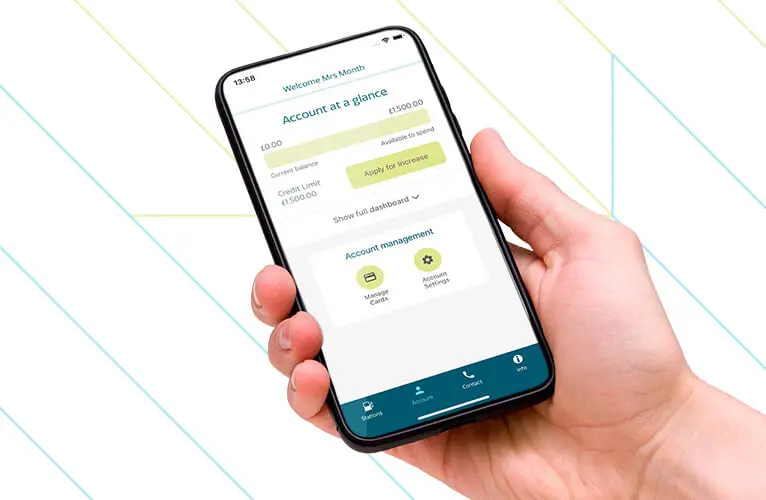
Sensible spend limits made possible with fuelGenie’s clear budget controls, visibility, and easy access to low-cost supermarket fuel, remove uncertainty so drivers can refuel without second-guessing every transaction.
Managers gain better oversight, the business benefits from tighter fuel control and calmer, happier drivers get loyalty points and the knowledge they’re acting sustainably.
Fuel-only restrictions
Fuel-only restrictions are another small change with big benefits. By keeping cards limited to fuel purchases, fleets improve security, reduce admin and eliminate distractions at the till.
Drivers spend less time worrying about keeping receipts or mistakes and their wellbeing and efficiency grows to quietly streamline daily operations.
Three little words…
We value you.
Drivers, like all of us, want to know they work for a business that cares for them.
Their wellbeing is crucial and it also has a measurable impact on fuel spend, vehicle efficiency and overall fleet performance.
That’s why small, consistent improvements rather than quick big gestures add up quickly when applied across multiple vehicles and drivers.
Get the changes in place before the warmer spring months arrive, and good habits and savings will follow.