Fuel costs are rarely lost in one big moment.
More often, they slip away gradually through small, everyday habits that go unnoticed. A few extra minutes of idling. A slightly under-inflated tyre. A quick detour that becomes routine.
Individually, none of these feel significant. Across a fleet, repeated day after day, they can quietly push fuel spend higher than it needs to be.
Here are seven common ways fuel spend can creep up without anyone realising.
1. Under-inflated tyres
Tyre pressure is one of the simplest things to overlook, and one of the quickest ways to increase fuel use.
When tyres are under-inflated, they create more rolling resistance. That means the engine has to work harder to keep the vehicle moving, which increases fuel consumption.
Even a small drop in pressure can have an impact over time, especially across multiple vehicles.
2. Excessive idling
Leaving engines running while parked or waiting might feel harmless, especially during short stops.
In reality, idling burns fuel without moving the vehicle at all. Across a fleet, those extra minutes add up quickly.
Clear guidance on when engines should be switched off can reduce this without affecting productivity.
3. Harsh driving habits
Sudden acceleration, heavy braking and inconsistent speeds all use more fuel than steady, controlled driving.
These habits often appear when drivers are under time pressure or reacting to traffic conditions. Over time, they increase fuel use and also add wear to the vehicle.
Smoother driving is one of the most effective ways to reduce fuel consumption without changing routes or schedules.
4. Unplanned routes and detours
Small detours do not always stand out, especially when they become part of a regular routine.
Taking longer routes, sitting in traffic or making last-minute changes all increase mileage and fuel use.
Encouraging simple route planning and avoiding known congestion points can help reduce unnecessary journeys.
5. Carrying unnecessary weight
Extra weight in a vehicle means the engine has to work harder.
Tools, equipment or materials left in vehicles when they are not needed can gradually increase fuel consumption over time.
It is an easy detail to miss, but keeping vehicles as light as practical helps maintain efficiency.
6. Poor vehicle maintenance
Vehicles that are not properly maintained do not run as efficiently as they should.
Low oil levels, clogged air filters or worn components can all affect how much fuel a vehicle uses. These issues are not always obvious day to day, but they build over time.
Regular checks help keep vehicles running smoothly and prevent fuel waste.
7. Inconsistent refuelling habits
Where and when drivers refuel can also affect overall spend.
Last-minute or unplanned refuelling often leads to higher prices and less consistency. Over time, that variation can make fuel spend harder to control.
Encouraging drivers to use consistent locations and plan refuelling as part of their journey helps keep things predictable.
Bringing it all together
Fuel spend leakage is rarely caused by one issue.
It is usually the result of small habits that build up over time. Because they are part of everyday routines, they are easy to overlook.
Taking the time to review these areas can help identify where small improvements will have the biggest impact.
How fuelGenie helps you stay in control
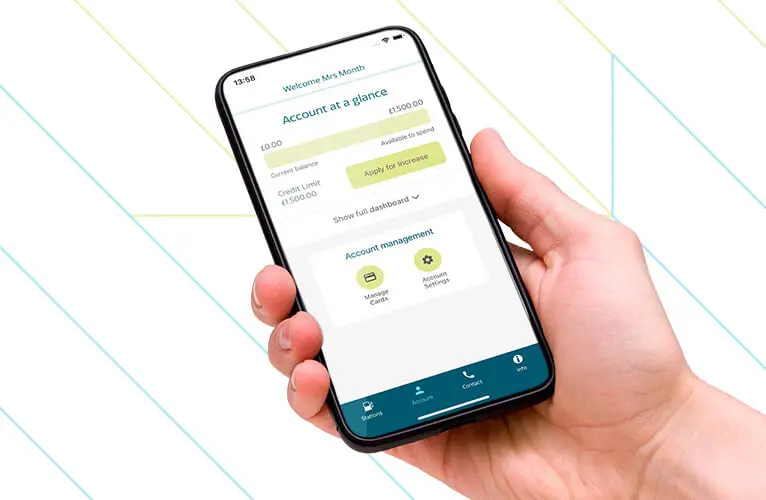
fuelGenie helps bring more control and visibility to fuel spend, making it easier to spot where costs may be creeping up.
With clear reporting, businesses can see where fuel is being purchased and how it is being used across drivers and vehicles. That makes it easier to identify patterns and make informed adjustments.
Access to a wide network of supermarket fuel stations also helps keep refuelling consistent, supporting better cost control without complicating the day-to-day routine.
Small changes, steady savings
Reducing fuel spend does not always require major changes.
Often, it is about tightening the small habits that influence how vehicles are driven, maintained and refuelled.
When those small improvements are applied consistently across a fleet, the savings build gradually, helping businesses stay in control without adding pressure to daily operations.