Fuel admin rarely looks like the biggest problem in a business.
It usually sits in the background, spread across small tasks that seem manageable on their own. A receipt handed in late. A missing transaction. A quick message to a driver asking whether they still have the paperwork from last week.
None of it feels serious in the moment. But when those jobs repeat across several vehicles and working weeks, they start to absorb more time than most businesses realise.
That is where the real difference between receipts and VAT invoices starts to show.
Why receipts take more time than they seem to
Paper receipts still feel like the normal way to keep a record of fuel spend. Drivers fill up, collect the receipt and pass it back to the office. Simple enough in theory.
In practice, though, receipts are rarely as tidy as the process sounds.
They get left in vans, lost in pockets or handed over in batches days later. Sometimes the print is faded. Sometimes details are missing. Sometimes the receipt never makes it back at all.
At that point, admin teams are no longer just recording fuel spend. They are chasing it.
The time-cost sits in the follow-up
The real drain is not one receipt. It’s the chain of follow-up jobs that comes with managing lots of them.
That can include:
- reminding drivers to hand receipts in
- checking each receipt is readable and complete
- matching paperwork to purchases
- following up on anything missing
- entering details manually into records
Each step is small. Repeated often enough, though, they become a steady pull on time.
And because the work arrives in fragments, it often interrupts other tasks rather than sitting neatly in one place.
Why small delays become bigger admin problems
Receipt-based systems also make month-end harder than it needs to be.
When paperwork is incomplete or handed in late, finance teams are left trying to piece together a full picture of fuel spend from partial information. That slows down reconciliation and makes it harder to feel confident that everything is accurate.
It can also affect VAT reclaim if the right documentation is not in place when it is needed.
Again, the issue is the build-up of small gaps, small delays and small uncertainties that create extra work later on.
What changes with VAT invoices
VAT invoices remove much of that friction.
Instead of relying on individual paper receipts, fuel transactions are captured and brought together in one clear, consolidated record. That changes the job from collecting and chasing information to reviewing information that is already there.
There is less paperwork to gather, less manual checking and less back-and-forth with drivers.
The practical difference day to day
This is not about making fuel admin disappear altogether. It is about making it less disruptive.
With VAT invoices in place, businesses can usually expect:
- less time spent collecting paperwork
- fewer follow-up messages to drivers
- clearer records for reconciliation
- quicker access to the information needed for VAT purposes
- a smoother month-end process overall
That may sound like a modest change, but in day-to-day operations it can make a noticeable difference.
Time saved in admin is still value gained
When businesses think about fuel costs, the focus naturally goes to price per litre.
But admin time has a cost too. If office teams are repeatedly chasing receipts, checking missing details and manually updating records, that time is being spent on process rather than progress.
For smaller businesses especially, where the same people often wear several hats, reducing that admin load can have a real effect on how smoothly the wider business runs.
Making fuel admin easier with fuelGenie
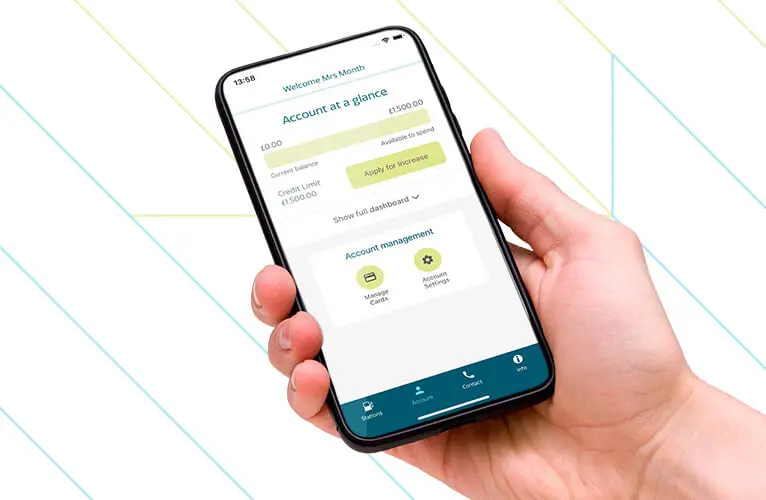
fuelGenie helps simplify that process by replacing paper-heavy fuel admin with clear, HMRC-approved VAT invoices.
Instead of relying on drivers to return individual receipts, businesses have a more complete and consistent record of fuel purchases in one place. That means less chasing, less checking and fewer gaps in the paperwork.
It also gives businesses a clearer view of fuel spend across drivers and vehicles, making it easier to stay organised while keeping admin under control.
A process change that saves time
Switching from receipts to VAT invoices might not sound like a major operational decision.
But it’s often the smaller process changes that make everyday work easier.
When fuel records are clearer, month-end is smoother and admin teams spend less time following up missing paperwork, the time saving starts to build quietly in the background.