Fleet security often starts with protecting vehicles at your premises.
CCTV, lighting, secure parking and access controls all play an important role in keeping vehicles safe when they're not in use. But for most businesses, vehicles spend far more time on the road than they do parked at base.
Whether drivers are stopping for fuel, visiting customers, taking breaks or parking overnight, every journey creates opportunities for theft, damage or fraud. While no fleet can eliminate risk entirely, understanding where the biggest threats exist can help businesses reduce disruption and protect valuable assets.
The growing cost of vehicle crime
Vehicle-related crime remains a significant issue for businesses across the UK.
A stolen van is rarely just a stolen van. It can mean missed appointments, delayed deliveries, lost revenue and the cost of replacing tools, equipment and stock. Even when a vehicle isn't taken, damage caused during a break-in can leave it off the road for days.
The impact extends beyond the immediate financial cost. Every hour a vehicle is unavailable affects productivity and places additional pressure on drivers and operations teams.
That's why prevention is often far more effective than dealing with the consequences later.
When a quick stop becomes an opportunity
Many thefts don't happen overnight. They happen during routine stops.
Drivers often leave vehicles unattended for short periods while collecting deliveries, visiting customers or grabbing refreshments. It only takes a few moments for an opportunistic thief to target an unlocked vehicle or spot valuable equipment left in plain sight.
Simple habits make a difference. Locking doors, closing windows and keeping valuables out of view remain some of the most effective deterrents available.
Security doesn't always require expensive technology. Consistency is often just as important.
Protecting tools and equipment
For many trades and service businesses, the contents of a vehicle can be worth more than the vehicle itself.
Tools, diagnostic equipment and specialist machinery are attractive targets because they can often be sold quickly. Unfortunately, many thefts occur because criminals can easily see what is inside.
Where possible, equipment should be stored securely and removed from vehicles when practical.
Drivers should avoid leaving expensive items visible through windows, particularly when parking for extended periods.
Reducing visibility reduces temptation.
Fuel cards need protecting too
Physical assets aren't the only things at risk.
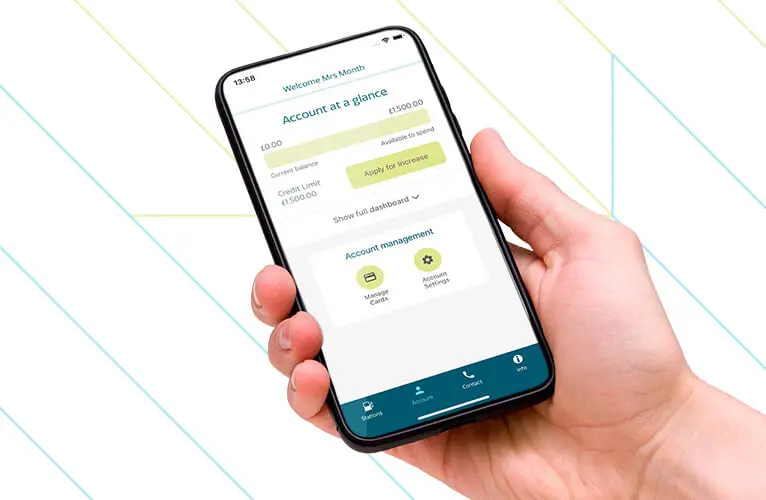
Fuel cards offer convenience and control, but they should be treated with the same care as any payment card. Lost cards, shared PINs or poor security practices can expose businesses to unnecessary risk.
Drivers should never share PIN numbers or leave cards unattended inside vehicles. Regular transaction monitoring can also help identify unusual activity quickly.
Features such as fuel-only restrictions and spend limits provide an additional layer of protection whilehelping businesses maintain greater control over fuel expenditure.
Awareness remains your strongest defence
Technology plays an important role in fleet security, but driver awareness remains one of the most effective safeguards available.
Most security incidents don't happen because procedures don't exist. They happen because familiar routines lead to complacency.
Regular reminders, clear policies and ongoing communication help keep security front of mind. When drivers understand the risks and their role in preventing them, businesses are far better protected.
Staying secure wherever the road leads
Fleet security isn't just about protecting vehicles when they're parked overnight. It's about creating good habits that travel with drivers wherever work takes them.
By understanding the most common risks and taking sensible precautions, businesses can reduce disruption, protect valuable assets and keep vehicles operating safely and efficiently.
Because when vehicles, equipment and drivers are protected, fleets spend less time dealing with unexpected setbacks and more time focusing on the job at hand.