For many businesses, summer brings opportunities to take on more work, serve more customers and keep vehicles moving. But with increased demand often comes increased mileage, and more miles mean more opportunities for fuel costs, maintenance issues and operational inefficiencies to creep in.
Whether your fleet consists of a handful of vans or dozens of vehicles, a little preparation before the busiest driving months can make a significant difference. The good news is that getting ready doesn't require major investment or a complete overhaul of your operation. Often, it's the smaller checks and adjustments that deliver the biggest benefits.
Here is a simple fleet preparation checklist to help keep your vehicles running efficiently, your drivers productive and your fuel costs under control.
1. Start with vehicle health
When vehicles are covering more miles, minor issues have a habit of becoming major problems.
Tyres, oil levels, coolant, lights, brakes and battery condition should all be checked before workloads increase. A vehicle that is already operating below its best efficiency will only become more expensive to run as mileage rises.
Tyre pressures are particularly important. Under-inflated tyres increase rolling resistance, forcing engines to work harder and consume more fuel. They also wear more quickly, creating an unnecessary maintenance expense.
A proactive approach to maintenance helps prevent breakdowns, reduces downtime and gives drivers confidence that their vehicles are ready for the weeks ahead.
2. Review your routes
More vehicles on the road often means more congestion, more delays and more wasted fuel.
While route planning is important all year round, it becomes even more valuable during busy periods. Taking time to review regular routes can help identify traffic hotspots, roadworks and inefficient journeys that may be adding unnecessary mileage.
Even small route improvements can deliver meaningful savings when repeated across multiple drivers and vehicles.
Encouraging drivers to plan journeys before setting off rather than relying on last-minute decisions can also reduce stress and improve overall efficiency throughout the working day.
3. Check your refuelling strategy
When schedules become busier, convenience often starts to outweigh cost.
Drivers under pressure may be more likely to fill up wherever they happen to be rather than at locations that offer better value. Over time, this can have a noticeable impact on fuel spend.
Now is a good opportunity to remind drivers of approved refuelling locations and encourage them to plan fuel stops as part of their journey rather than treating them as an afterthought.
Having access to a wide network of supermarket forecourts can help businesses keep fuel costs predictable while still giving drivers the flexibility they need on the road.
4. Refresh fuel controls and spending limits
Increased mileage often leads to increased fuel spend, which makes visibility and control more important than ever.
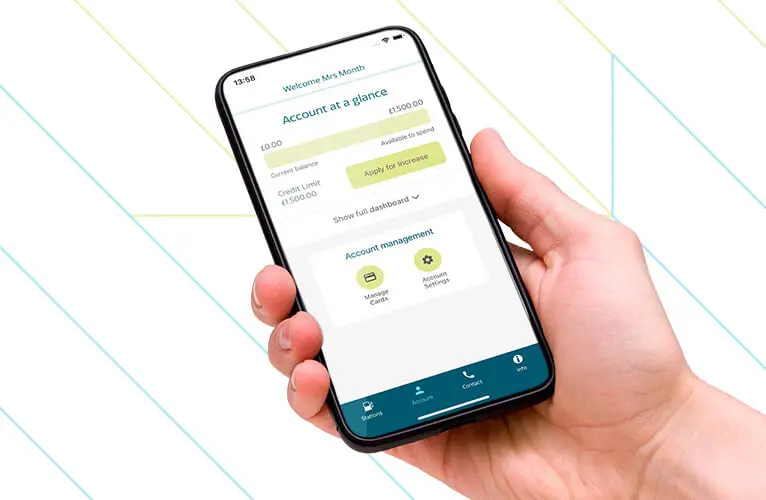
Before demand rises, take time to review any spending limits attached to fuel cards and ensure they still reflect operational requirements. Drivers covering longer routes may need adjustments, while existing controls should continue to protect against overspend.
It is also worth checking that fuel-only restrictions are in place where appropriate. Restricting cards to fuel purchases helps improve security, simplifies reporting and makes it easier to understand exactly where fuel budgets are being spent.
Clear controls help businesses stay in charge, even during their busiest periods.
5. Support your drivers
Drivers are at the heart of every fleet operation.
As workloads increase, fatigue, frustration and rushed decision-making can all affect efficiency. Harsh acceleration, excessive idling and poor route choices often stem from pressure rather than intention.
Simple measures such as encouraging regular breaks, allowing realistic schedules and ensuring vehicles remain comfortable to drive can have a positive impact on both wellbeing and fuel consumption.
Working air conditioning, properly adjusted seating and clear communication all contribute to a better driving experience and help drivers perform at their best throughout longer days on the road.
6. Use data to stay ahead
One of the biggest mistakes businesses make is waiting until costs have already increased before investigating why.
Regularly reviewing fuel reports, transaction data and driver activity can help identify unusual patterns before they become expensive problems. Unexpected increases in fuel spend, changes in refuelling behaviour or unusually high mileage can often be spotted early with the right reporting tools.
The more visibility you have, the easier it becomes to make informed decisions and keep operations running smoothly.
Ready for the road ahead
Preparing for increased mileage isn't about making dramatic changes. It's about ensuring the fundamentals are in place before pressure builds.
A few simple checks carried out now can help reduce fuel waste, minimise downtime and improve operational efficiency throughout the busiest driving months. When vehicles are well maintained,
drivers are properly supported and fuel spend is carefully managed, businesses are in a far stronger position to make the most of every mile.
fuelGenie helps fleets stay in control with clear reporting, spend limits, fuel-only restrictions and access to low-cost supermarket fuel, helping businesses manage increased demand with confidence.