Flexible drivers are now part of everyday operations for many businesses.
Whether it’s part-time staff, subcontractors or seasonal support, having extra capacity gives you room to adapt when demand changes. It’s practical, efficient and often essential.
But without structure behind it, that flexibility can quickly turn into confusion. Missed messages, unclear expectations and last-minute changes all start to creep in – and before long, you’re spending more time fixing problems than getting work done.
The aim isn’t to introduce heavy processes. It’s to put just enough structure in place so everything runs consistently without creating extra work for yourself.
Start by being clear from the outset
Most issues around flexible drivers stem from unclear expectations.
A short, straightforward job brief goes a long way so cover the basics such as working hours, routes or areas, what the job involves day to day and how drivers are expected to represent your business.
It also helps to explain what good looks like. Turning up on time, keeping customers informed and completing jobs properly. Simple things, but important when everyone is working to the same standard.
Keep onboarding quick and practical
You don’t need a long induction process, but you do need consistency.
A simple checklist is often enough. That should include details on how jobs are assigned, what a typical shift looks like, who to contact if something goes wrong and what to do if plans change.
Giving drivers a short guide they can refer to makes those first few shifts easier. It also cuts down on repeat questions, saving time for everyone.
Make communication easy to follow
Lack of communication is often where things break down as too many channels create confusion and slow responses create delays.
Keeping things simple helps. Pick one main way to communicate and stick to it and set clear expectations around response times during shifts so drivers know what’s expected.
It also helps to keep messages consistent. Letting you know they’ve accepted a job, are running late or have completed a delivery should be quick and clear every time.
Bring some structure to scheduling
Flexibility doesn’t have to mean unpredictability. If drivers know when to confirm availability and when they’ll receive their shifts, everything runs more smoothly.
A simple weekly pattern works well with drivers submitting availability by a set point and confirmed schedules going out at a consistent time.
Having a small group of backup drivers also gives you some breathing space if plans change.
Focus on the basics that matter most
You don’t need to track everything, but you do need a few clear standards.
Punctuality, safe driving, customer updates and proof of completed work are usually enough to create consistency.
It’s worth keeping a closer eye during a driver’s first few shifts, then easing off once they’ve settled in. Most people will fall into the right habits when expectations are clear.
Keep payments and admin straightforward
Payment is one area where small misunderstandings can quickly cause issues, so be clear from the start about rates, what counts as billable time and how invoicing works.
Using a consistent invoice format and setting expectations around when payments are made keeps things predictable for both sides.
A simple record of exceptions, such as late cancellations or incomplete jobs, also helps if questions come up later.
Don’t forget the basics around safety
Even with flexible drivers, the fundamentals still matter. Making sure drivers have the right licence, insurance and documentation protects your business and keeps standards consistent.
Clear guidance on phone use, fatigue and what to do if something goes wrong helps drivers make better decisions on the road.
Keep fuel and travel admin under control
Fuel is only one part of managing drivers, but it’s often where admin builds up as the lack of clear rules, receipts and reimbursements become time-consuming to manage.
Setting simple guidelines around what can be claimed, what proof is needed and when it should be submitted keeps things consistent.
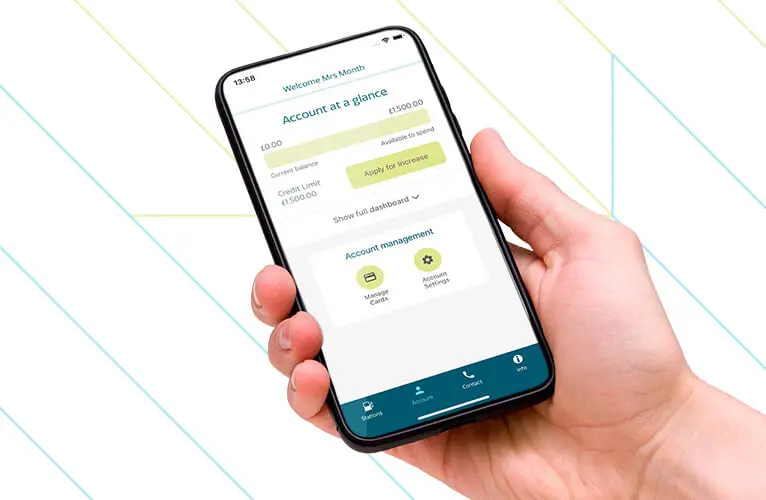
For businesses with drivers on the road regularly, having a clear way to track fuel spend can reduce admin and make reporting easier.
Keep it simple and consistent
Managing part-time and freelance drivers doesn’t need to be complicated and, in most cases, it’s about removing uncertainty rather than adding process.
When expectations are clear, communication is consistent, systems are simple and everything runs more smoothly. Drivers know what’s expected, issues are easier to manage, and your business can stay focused on the work that matters.