Fuel is one of those business costs that feels simple at the pump. You fill up, pay and get back on the road.
But at month-end, things can get more complicated. Receipts to be found, mileage to be checked and business journeys to be separated from private ones.
Leave it all until the last minute and a straightforward expense can quickly turn into an admin issue. The good news is that a few simple habits can make managing fuel and VAT much easier.
Here’s what’s worth keeping on top of.
Keep your fuel records together
Keep the paperwork. If your business is VAT registered and you want to reclaim VAT on eligible business fuel costs, you need the right records to support your claim.
That’s harder when receipts are sitting in gloveboxes, pockets, bags or somewhere on the passenger seat under last Tuesday’s lunch.
Create one place for fuel records and make using it part of the routine.
Keep digital copies, use a central expense system or make sure drivers submit the information they need regularly rather than leaving it until the end of the month.
The less chasing your finance team has to do, the easier reconciliation becomes.
Month-end win: Make sure every fuel purchase you expect to account for has the supporting information you need before closing the month.
Know which miles are business miles
One of the most important distinctions is also one of the easiest to lose track of: what was the fuel actually used for?
Business and private mileage are not always treated in the same way for VAT purposes.
If a vehicle is used for both, keeping detailed mileage records can help establish what proportion of the fuel relates to business journeys.
That doesn’t have to mean turning every driver into an accountant. A useful mileage record should make it clear when the journey happened, where it was to and from, why it was made and how many miles were travelled.
Get drivers into the habit of recording journeys as they go and month-end becomes less dependent on memory. Because trying to remember where you drove three weeks ago isn’t time well spent.
Month-end win: Check business mileage records are complete and match the time span you’re accounting for.
Don’t forget fuel bought by employees
Things can get confusing when employees use their own money to buy fuel for business journeys and are then reimbursed.
HMRC allows VAT on qualifying business fuel bought by employees to be treated as input tax in certain circumstances, including where the employee is reimbursed for the actual cost or through a mileage allowance.
But records still matter and the business needs evidence of mileage and fuel invoices to support the VAT claim.
So if employees regularly travel for work, make the process clear before the journeys happen.
Tell them what they need to keep, where they should submit it and when it needs to be with your accounts team.
A simple process followed every month beats a frantic receipt hunt every quarter.
Month-end win: Check employee mileage claims against the supporting fuel records before filing them.
Watch out for private fuel
If your business pays for fuel that’s also used for private motoring, there are extra VAT considerations.
One option available to businesses is to use HMRC's road fuel scale charge system which allows the business to recover VAT on fuel but account for private use through a fixed charge based on the vehicle's CO2 emissions.
The scale charges change periodically, with the current figures applying from 1 May 2026. Meanwhile another approach can involve using detailed mileage records to claim only the VAT relating to business use.
Which route is right depends on your business, so it pays to check the current HMRC guidance or speak to your accountant rather than make assumptions.
Month-end win: If business-paid fuel includes private mileage, make sure you know how that private use is being accounted for.
Turn month-end into a quick check, not a big job
The easiest fuel admin is the admin you don’t leave until month-end.
Build these four simple checks into the month instead:
- Keep fuel records in one place.
- Ask drivers to log business mileage regularly.
- Make sure employee claims have the supporting information.
- Check anything unusual while the journey or transaction is still fresh in everyone's mind.
Then, when month-end arrives, you’re reviewing the information rather than trying to recreate it.
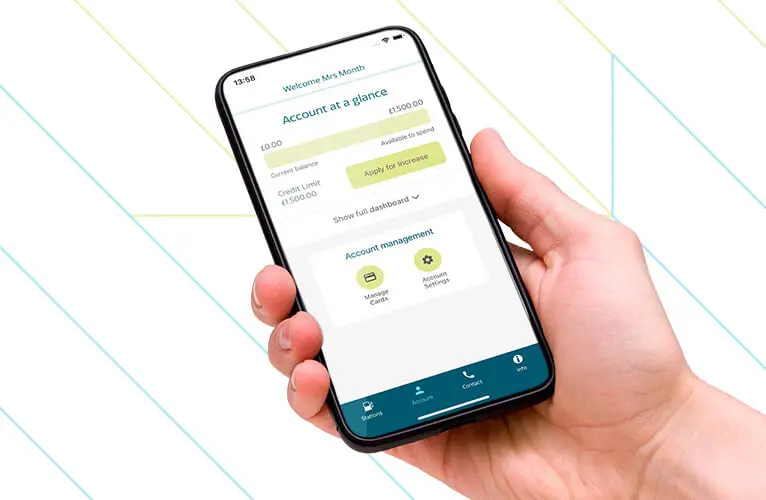
For fuelGenie customers, consolidated fuel invoices and transaction reporting can also help bring fuel spend into one place, reducing the need to rely on piles of individual forecourt receipts.
Less chasing, clearer records
Fuel and VAT can feel complicated, but the everyday admin behind them doesn’t have to be.
Keep good records, separate business and private use properly and deal with missing information sooner rather than later.
A few minutes spent staying organised throughout the month can save a lot more time when the numbers need to add up.
And that means less time chasing paperwork and more time getting on with business.