When you’re comparing fuel cards, the first questions are often about where the card can be used and what you’ll pay at the pump.
But for finance teams, there’s another question that matters just as much: how long do we actually get to pay?
Payment terms can have a direct impact on cash flow, particularly for businesses running several vehicles and buying fuel every week. Understanding how they work can help you choose a fuel card that fits the way your business manages its finances.
What are fuel card payment terms?
Put simply, payment terms are the amount of time between buying fuel and the payment being collected from your business.
Instead of drivers paying for fuel themselves and claiming it back later, transactions made using a fuel card are recorded and billed to the business. Depending on the card you choose, you may then have a set period before that payment is due.
The important thing is not to assume every fuel card works in the same way. Billing cycles and payment terms can vary, so it’s worth checking exactly when you’ll be invoiced and when funds will leave your account.
Why do payment terms matter?
Fuel is a regular and unavoidable cost for most fleets. If your vehicles are on the road every day, that can mean a significant amount of money leaving the business each month.
Having time between buying fuel and paying for it can help make those costs easier to manage.
Rather than paying for every transaction individually as it happens, fuel card spending is brought together into a more structured payment cycle. This can give finance teams a clearer view of upcoming costs and make it easier to plan around other business expenses.
For smaller businesses in particular, that extra flexibility can be useful when managing day-to-day cash flow.
How do fuelGenie payment terms work?
The standard fuelGenie card offers payment terms of up to 15 days.
For businesses looking for a longer payment window, fuelGenie+ offers payment terms of up to 45 days*.
That doesn’t mean you should simply choose the card with the longest payment terms. It’s worth considering how frequently your business buys fuel, when money typically comes into the business and how your existing payment cycles work.
If a longer payment window lines up better with when your customers pay you, for example, it may make managing regular fuel costs more straightforward.
Don’t forget the rest of the finance admin
Payment terms are only one part of the picture.
It’s also worth looking at how your fuel card handles invoicing and transaction records. fuelGenie provides HMRC-compliant VAT invoices, bringing fuel transactions together and reducing the need to manage individual paper receipts.
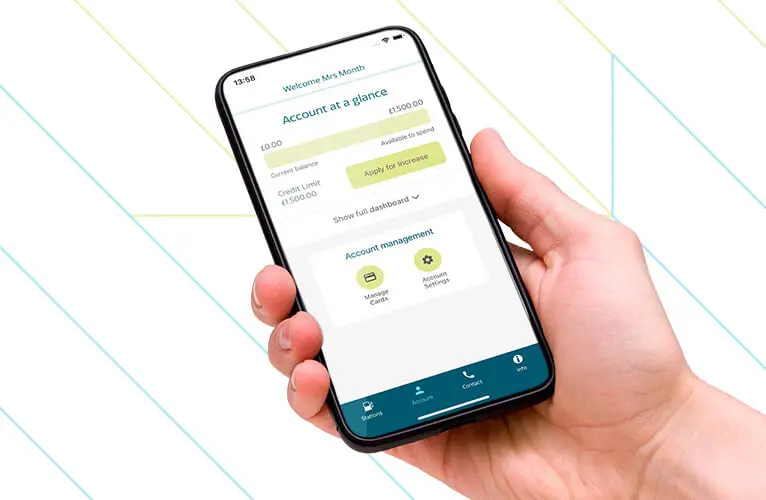
Businesses can also use their online account to review transactions and monitor fuel spending, helping finance teams keep a clearer record of what’s being spent across the fleet.
Choose terms that work for your business
There’s no single payment schedule that will suit every business.
The important thing is understanding what you’re signing up for and choosing a fuel card with payment terms that fit your cash flow, accounting processes and day-to-day fuel spending.
Compare fuelGenie and fuelGenie+ to see which option works best for your business.
*Subject to status.