Choosing a fuel card can feel more complicated than it needs to be. There are different networks, payment terms, fees and features to compare, and the card with the biggest headline number isn’t necessarily the one that will work best for your business.
For a small fleet, there are three things worth focusing on: where you can use the card, how you’ll be billed and how long you have to pay.
Here’s how we’d weigh them up.
1. Where can your drivers actually use it?
Network size matters but bigger doesn’t automatically mean better.
Start by thinking about where your vehicles travel. Are most journeys local? Do drivers regularly use motorways? Are there particular supermarket or fuel station brands conveniently located along their routes?
A card covering thousands of locations isn’t much use if drivers regularly have to go out of their way to find one.
The standard fuelGenie card can be used at around 1,350 Tesco, Morrisons and Sainsbury’s petrol stations across the UK. If your drivers travel further afield or spend more time on motorways, fuelGenie+ expands that to more than 2,300 locations, including most Shell stations and Welcome Break locations.
Is that the biggest fuel card network available? No. And for some businesses, having the widest possible network may be the priority. But for a smaller fleet, it’s often more useful to look at whether a network fits the journeys your drivers actually make.
2. How will you be billed?
It’s easy to focus on where a fuel card is accepted and overlook what happens once the fuel has been bought.
Think about how frequently you want invoices and how that fits with your cash flow and accounting processes.
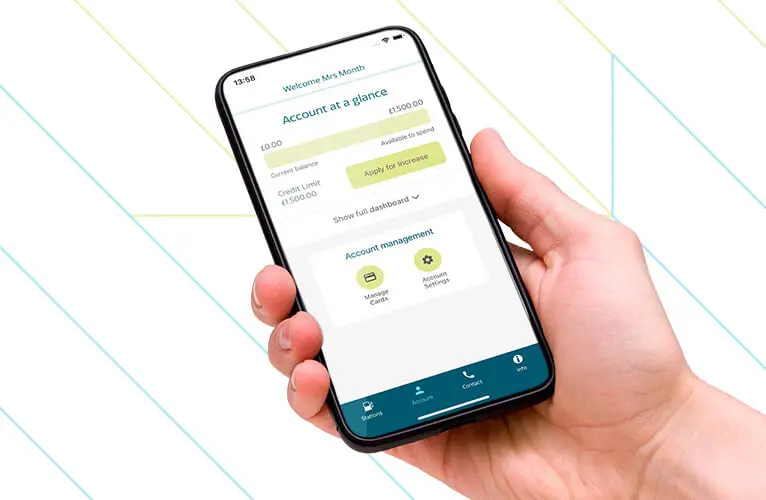
With fuelGenie, transactions are brought together into HMRC-compliant VAT invoices, helping to reduce the need to collect and process individual fuel receipts. You can also see fuel spend through your online account, giving you a clearer picture of what’s being spent across your fleet.
It’s also worth checking how the fuel itself is priced. fuelGenie and fuelGenie+ customers pay the pump price, with no network surcharge added to the cost of fuel.
3. How long do you get to pay?
Payment terms can make a real difference to cash flow, particularly for smaller businesses.
Don’t assume every fuel card works the same way. Check when invoices are issued, when payment is taken and whether the payment schedule suits the way your business manages its finances.
fuelGenie offers payment terms of up to 15 days, while fuelGenie+ offers up to 45 days*.
Find the right fit for your fleet
There isn’t one fuel card that’s right for every business. The best choice is the one that fits your drivers’ journeys, your payment preferences and the way you manage your fuel spend.
For a small fleet, focusing on those practical details can be far more useful than simply choosing the card with the biggest network.
Compare fuelGenie and fuelGenie+ to find the right fuel card for your business.
*Subject to status.