Now the colder months are in full swing, keeping your vehicle running efficiently becomes even more important. Rising costs and increased usage during winter can quickly add up, meaning you need to find ways to optimise your fuel consumption. Whether you’re the business owner that needs to encourage your fleet or a driver that wants to find out how to make fuel go further, try our tips.
This guide brings all our winter advice together, from fuel tips for snow and cold snaps to driving in ice, fog and the dark. Use it to keep costs down, keep vehicles running and get drivers home safely.
In this guide
- Winter fuel tips for snow and cold snaps
- Get your vehicle winter-ready
- Driving in snow and ice
- Driving in the dark and fog
- Your winter emergency kit
- Christmas and December journeys
- Plan your fuel stops
- For fleet managers: keeping drivers safe
- Fuelling up with fuelGenie
1. Winter fuel tips for snow and cold snaps
The impact of winter on fuel efficiency
Winter conditions make it tricky to keep your fuel efficiency at its best. Why? Because colder temperatures can cause engines to perform less well while tyres lose pressure and vehicle systems such as heating need to consume more energy. Additionally, idling to warm up your car and driving through snow or ice can increase the amount of petrol or diesel your car needs. This is especially true during a cold snap, when temperatures drop suddenly and stay low for days. Fortunately, understanding these factors is the first step toward mitigating their effects.
Practical tips to make your fuel go further
Warm up slowly
Many people believe that warming up their vehicle by idling is a necessary part of winter driving. Some even use it as a way to de-ice the windscreen without freezing their fingers. But this habit wastes fuel.
Modern engines don’t need idling to warm up. In fact, leaving your engine running unnecessarily while stationary on a public road is against the rules of the Highway Code (rule 123). Instead of burning unnecessary fuel, start driving gently to give your vehicle time to heat up naturally.
Drive smoothly
Sudden accelerations and harsh braking tend to burn fuel faster, especially on icy roads where traction is reduced. By maintaining a steady speed and using cruise control when safe to do so, you can improve your fuel efficiency. Remember to anticipate traffic flow to avoid unnecessary stops and starts.
Check your tyre pressure
Cold weather causes tyre pressure to drop by as much as 1-2 psi. This happens when the temperature outside decreases, making the air inside the tyre contract. It reduces your grip on icy roads and makes it harder to drive efficiently. To combat it, check your tyre pressure regularly, inflating them to the manufacturer’s recommended levels to ensure optimal performance and petrol savings at the pump.
Lighten the load
Extra weight in your vehicle increases fuel consumption. The heavier it is, the more fuel it needs to power it forward so take unnecessary items out of the boot, especially heavy ones. While it’s a good idea to keep an emergency kit during winter, there’s no need to carry excess baggage for everyday trips.
Plan ahead
Too many short trips can quickly make your fuel tank plummet. This is because popping out quickly or driving about town comes with more stops and starts. Plus starting your car repeatedly after it has cooled uses more fuel than keeping it running smoothly on a long drive. Instead of making short journeys, combine errands into a single trip and plan your route to avoid heavy traffic to save fuel.
Keep the tank full
Did you know driving with a near-empty tank can be risky in winter? Not only does it make it more likely you’ll run out of fuel in bad weather but condensation can also form in the tank and freeze, potentially damaging the fuel system. To stay safe and avoid breakdowns, try to keep your tank at least half-full.
2. Get your vehicle winter-ready
Many winter breakdowns come down to a handful of things: flat batteries, worn tyres and frozen or empty fluids. Book a service before the coldest weather if one's due, then work through this checklist.
- Battery. Cold weather drains batteries faster, especially on short trips with the heater, lights and wipers on. If a battery is more than three years old, get it tested before winter.
- Tyre tread. The legal minimum is 1.6mm across the central three-quarters of the tyre, all the way round. For winter grip, aim for well above that.
- Tyre pressure. Check monthly when the tyres are cold. Letting air out doesn't give you more grip on snow. It just makes the vehicle harder to handle.
- Wipers and screenwash. Replace split or smearing blades. Top up with a screenwash that includes antifreeze so it doesn't freeze in the bottle.
- Lights. Check every bulb works, including indicators and brake lights – and keep the lenses clean.
- Coolant and oil. Check the antifreeze is at the right strength and the oil is at the right level. Use the grade the vehicle handbook recommends.
- Heater and demister. Make sure both work properly before you rely on them on a freezing morning.
Do you need winter tyres? Below 7°C, the rubber in standard tyres starts to harden and grip less.
Winter tyres stay softer in the cold, so they're worth considering from October to March if you drive a lot in the north, in rural areas or on high ground. They’re not a legal requirement in the UK. All-season tyres are a middle ground and don't need swapping twice a year. Snow chains or snow socks can help for short spells of heavy snow.
3. Driving in snow and ice
The Highway Code advises not to drive in snow or ice unless your journey is essential. If you have to go, allow extra time and follow these steps…
Before you set off
- Clear snow and ice from every window. A peephole in the windscreen isn't enough – and you're required by law to be able to see.
- Clean the lights and make sure the number plates can be read. Clear the mirrors and fully demist the windows.
- Brush snow off the roof so it can't slide onto your windscreen or blow into the path of other drivers.
- Check the forecast and traffic news and have an alternative route in mind.
On the road
- Leave a much bigger gap. On icy roads, stopping distances can be up to ten times longer than in the dry.
- Keep everything gentle. Drive slowly in as high a gear as possible, and accelerate, brake and steer smoothly.
- Don't use cruise control on icy or wet roads. You need full control of your speed.
- If you skid, take your foot off the accelerator and steer smoothly in the direction of the skid. Don't brake hard.
- Take care around gritters and don't overtake them unless it's safe to do so.
4. Driving in the dark and fog
In December the sun sets before 4pm across much of the UK, so even a normal working day can mean driving home in the dark.
- Watch for tiredness. Darkness makes you sleepier and driving tired greatly increases the risk of a collision. The Highway Code recommends a break of at least 15 minutes after every two hours of driving. If you feel sleepy, stop somewhere safe.
- Keep the windscreen clean, inside and out. A smeary screen makes glare from low sun and oncoming headlights much worse. Use the sun visor when the sun is low.
- Use your lights properly. Use dipped headlights from dusk and whenever it's gloomy. You must use headlights when visibility is seriously reduced, which generally means under 100 metres.
- Slow down before you hit fog. Check your mirrors, then ease off. Only use fog lights when visibility is seriously reduced and switch them off as soon as it clears because they dazzle other drivers and can hide your brake lights.
- Look out for wildlife on rural roads, especially at dawn and dusk. If an animal runs out, brake firmly but don't swerve.
5. Your winter emergency kit
If you get stuck in snow or break down on a quiet road, a few basics make the wait much safer. Keep these in every vehicle from November to March:
- Ice scraper and de-icer
- Torch with spare batteries
- Warm coat, blanket, gloves and a hat
- Phone charger or power bank
- Bottled water and some snacks
- Shovel, for digging out wheels
- First-aid kit
- Hi-vis vest or warning triangle
- Jump leads
- Old rug or sack to put under a wheel that's spinning on ice
If you're stuck, stay with the vehicle unless it's dangerous to do so. Call for help and if you run the engine for heat, keep the exhaust clear of snow.
6. Christmas and December journeys
December roads get busier, just as the weather and the light get worse. A bit of planning keeps festive journeys on track.
- Avoid the peak getaway times. The last working days before Christmas and Christmas Eve afternoon are usually the busiest. Travel early in the day if you can.
- Know the bank holidays. This year they're Friday 25 December, Monday 28 December and Friday 1 January. Scotland also has Monday 4 January.
- Check opening times before you rely on a forecourt. Many open late, close early or shut completely over the holidays. Fill up before the break rather than on the day.
- Make sure the heater works before a long trip and take a charger so your phone doesn't run flat.
- Ask whether the trip is needed. If the forecast is severe, moving a delivery or visit by a day is often the safest option.
7. Plan your fuel stops
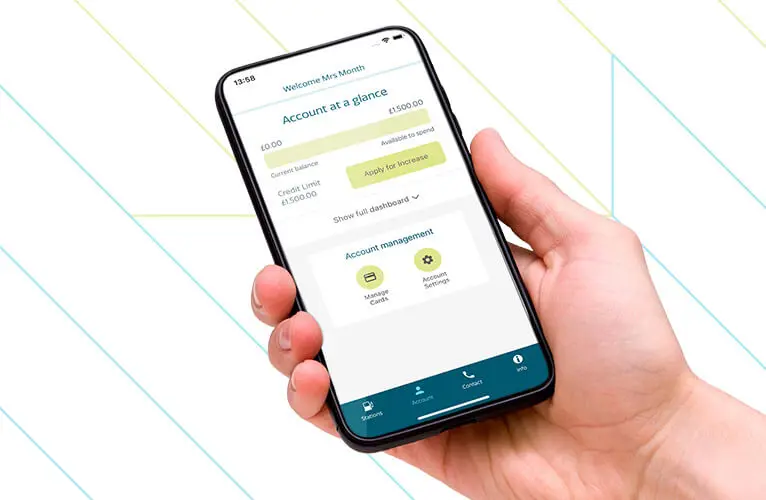
If you have a fuelGenie card, the fuelGenie app does most of the planning for you. Before a long winter journey, use it to:
- find stations along your route that accept your card
- check each forecourt's opening times and facilities - particularly useful over the bank holidays
- compare nearby fuel prices before you fill up
8. For fleet managers: keeping drivers safe
Health and safety law applies on the road just as it does on a work site. That includes staff who drive their own vehicles for work. The HSE expects employers to assess the risks of driving for work, covering
the journey, the driver and the vehicle. Weather, fatigue and time pressure are all on its list of hazards.
Before the worst of the weather arrives:
- Brief your drivers on the advice in this guide and make sure every vehicle has an emergency kit.
- Agree who decides whether a journey goes ahead in severe weather. Make sure drivers know they won't be penalised for delaying a trip.
- Build in extra time. Schedules that leave no room for snow, ice or breaks push drivers to rush.
- Set up a check-in routine for lone drivers and long journeys.
- Keep on top of maintenance. A pre-winter service and regular walk-round checks catch most problems before they leave someone stranded.
9. Fuelling up with fuelGenie
fuelGenie fuel cards make winter fuel stops simpler for businesses:
- No surcharges. You pay the pump price.
- Plenty of places to fill up. The fuelGenie card is accepted at 1,350+ supermarket forecourts. fuelGenie+ is accepted at 2,300+ stations, including most Shell and Welcome Break sites.
- Easier admin. Fuel payments from across your fleet are stored electronically and converted into automatic HMRC-approved invoices. The app helps you find stations on your winter routes.
Compare fuelGenie fuel cards Find out more about fuelGenie and fuelGenie+.