To improve cash flow, make sure you get money in sooner and plan when it goes out. That means invoicing as soon as the work is done, putting a clear due date on every invoice, chasing late payments promptly and setting money aside for big bills such as tax.
It matters most in December. Customers close for the holidays, finance teams have their last payment runs earlier than usual and January means self-assessment and, for many businesses, a VAT bill. Here's how sole traders and small businesses can keep money coming in over the break.
How to get paid faster: invoice before clients close
The quickest way to get paid faster is to send the invoice sooner. An invoice sent on 23 December can easily sit unopened until mid-January.
- Ask your regular customers when they close and when their last payment run is before Christmas. Then work backwards from that date.
- Invoice when the job's done, not at the end of the month. If a job runs over several weeks, agree to invoice in stages.
- Send it to the right person. Check who approves invoices and whether they need a purchase order number. A missing PO number is one of the easiest reasons for a client to delay.
- Make it easy to pay. Put your bank details on every invoice or add a payment link if your accounting software offers one.
- Take a deposit for big jobs so you're not funding the materials yourself.
Put clear payment terms on every invoice
Payment terms tell your customer exactly when you expect to be paid. Agree them before you start work and repeat them on the invoice.
- Give a date, not just a number. "Due by 18 December" is harder to overlook than "30 days".
- Know the defaults. If you haven't agreed a payment date, the law treats a business payment as late 30 days after the customer receives the invoice or the work is delivered, whichever is later.
- Know the limits. Businesses can agree payment terms of up to 60 days or longer if it's fair to both sides. Public bodies usually have to pay within 30 days.
- Include the basics: an invoice number, the date, what the invoice is for, the due date and how to pay.
Changes on the way. The government's Commercial Payments Bill would cap the payment terms large businesses can give smaller suppliers at 60 days and make late payment interest compulsory. In October 2026 it was still going through Parliament and the government has said the cap won't start before 2027.
Late payment: chase politely and know your rights
A late payment often isn't deliberate. The invoice may have gone astray or be waiting for someone to approve it. A simple routine catches these early:
- A week before the due date send a friendly reminder with the invoice attached.
- The day after it's due call or email to ask when you'll be paid, and whether anything is holding it up.
- If it's still unpaid put it in writing. Give a new date and say you'll add late payment interest and charges if it isn't met.
For business customers, the law is on your side. If a payment is late and your contract doesn't say otherwise, you can claim:
- interest at 8% plus the Bank of England base rate
- a fixed sum to cover the cost of chasing: £40 for debts under £1,000, £70 for £1,000 to £9,999, and £100 for £10,000 or more
You don't have to use these rights. Just knowing about them and saying so on your invoices often gets an invoice paid sooner.
Plan for January's bills
Many businesses pay staff early before Christmas so January can feel like a very long month - just as the tax bills arrive.
- Self-assessment: your 2025–26 tax return and payment are due by 11:59pm on 31 January 2027. If you pay in advance through payments on account, the first one for the current tax year is usually due the same day.
- VAT: returns and payments are due one calendar month and 7 days after the end of each VAT period. For a quarter ending 30 November, that's 7 January. For one ending 31 December, it's 7 February.
- Set money aside as you go. A separate savings account for tax means the money is there when the bill arrives.
- Do a simple forecast. List what's due in and out over the next three months, week by week. It shows any gaps early while there's still time to chase invoices or move a payment.
Look at the payment terms you get, too
Cash flow isn't only about getting paid. The time you get to pay your own suppliers matters just as much. The longer you have to pay for regular costs like fuel, the more breathing room you have between doing the work and getting paid for it. Find out more about how fuel card payment terms work.
Fuel and your cash flow
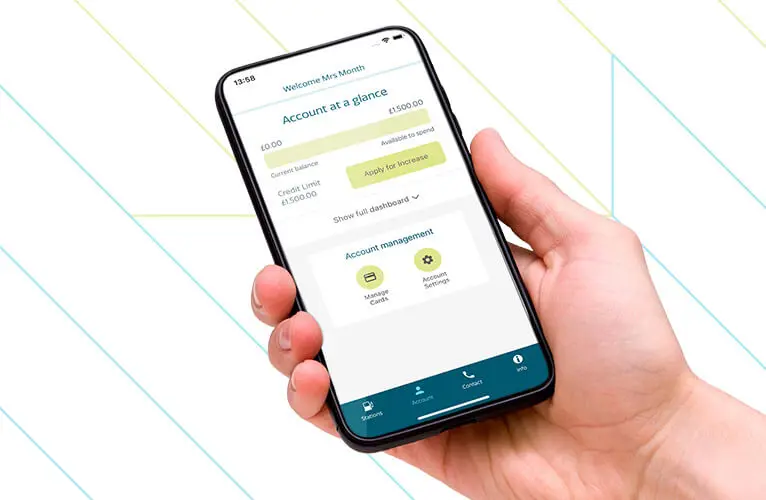
With a fuelGenie business fuel card, your drivers' fuel goes on one HMRC-approved invoice, paid by Direct Debit. There are no receipts to collect and no expenses to pay back. The fuelGenie card is invoiced weekly and works at 1,350+ supermarket forecourts. fuelGenie+ is invoiced monthly with up to 45 days payment terms* and works at 2,300+ stations, including most Shell and Welcome Break sites.
Compare fuelGenie fuel cards - Find out more about fuelGenie and fuelGenie+
*Subject to status. Terms apply.